What AI Can't Do (And Why That's Actually Fine)
The honest conversation
Most AI content online is either breathless hype or doomsday fear. Neither is useful. What's actually useful is an honest look at what AI can't do — because knowing the limits is what separates someone who uses AI well from someone who gets burned by it.
It makes things up
This is the biggest one. AI models generate text that sounds confident and authoritative, even when the information is completely wrong. The industry calls these "hallucinations," which is a polite way of saying the AI fabricated facts and presented them as truth.
It will invent statistics. It will cite studies that don't exist. It will give you a legal clause that sounds plausible but isn't real. And it will do all of this with perfect grammar and total confidence.
The fix is simple but non-negotiable: never publish or act on AI-generated facts without verifying them. Use AI to draft. Use your brain (and Google) to verify. This applies to every AI tool, including the most advanced ones. The hallucination problem is better than it was two years ago, but it's far from solved.
It has no real judgment
AI can analyze data and identify patterns, but it can't exercise judgment the way you can. It doesn't understand your business, your customers, your culture, or your values. It doesn't know that your biggest client hates being called by their first name, or that your team is going through a rough patch, or that your industry has unwritten rules that matter more than the written ones.
Judgment requires lived experience and context that no model has. AI can give you options. You still have to choose.
It lacks emotional intelligence
AI can mimic empathy in writing. It can produce text that sounds caring and considerate. But it doesn't actually understand emotions, and it can't read a room.
If a long-time customer sends an angry email, AI can draft a calm, professional response. But it can't tell you whether this customer needs a phone call instead of an email, whether they're actually upset about something deeper, or whether this is the moment to offer a concession or stand firm.
Emotional intelligence is a human skill. AI can help you communicate, but it can't help you connect.
It can't replace relationships
Business runs on trust, and trust is built through relationships. AI can help you write the follow-up email, but it can't sit across the table from a client. It can draft a thank-you note, but it can't remember that your vendor's daughter just started college.
The personal, human elements of business are where the real value lives. AI handles the logistics so you have more time for the relationships. That's the right framing.
Confidentiality is a real concern
When you type something into an AI tool, that data goes to a server. For most business conversations, this is fine. But if you're working with sensitive client data, legal documents, health records, or proprietary information, you need to think carefully about what you're sharing.
Most AI providers have privacy policies that limit how they use your data, and enterprise tiers offer stronger protections. But "limit" is not the same as "eliminate." If your data is truly confidential, consult your provider's privacy policy before pasting it into a prompt.
This isn't a reason to avoid AI. It's a reason to use it thoughtfully.
Why knowing limits makes you better
The professionals who get the most from AI aren't the ones who trust it blindly. They're the ones who understand exactly where AI is strong and exactly where it falls short.
They use AI for first drafts, not final answers. They verify facts. They add the human judgment, emotional nuance, and relationship context that no tool can provide. They keep sensitive data out of prompts when it matters.
This isn't a weakness of AI. It's the reality of any tool. A calculator is incredibly useful, but you wouldn't use one to make a hiring decision. AI is the same — powerful within its lane, dangerous outside of it.
Know the lane. Stay in it. That's how you get results without getting burned.
Go deeper
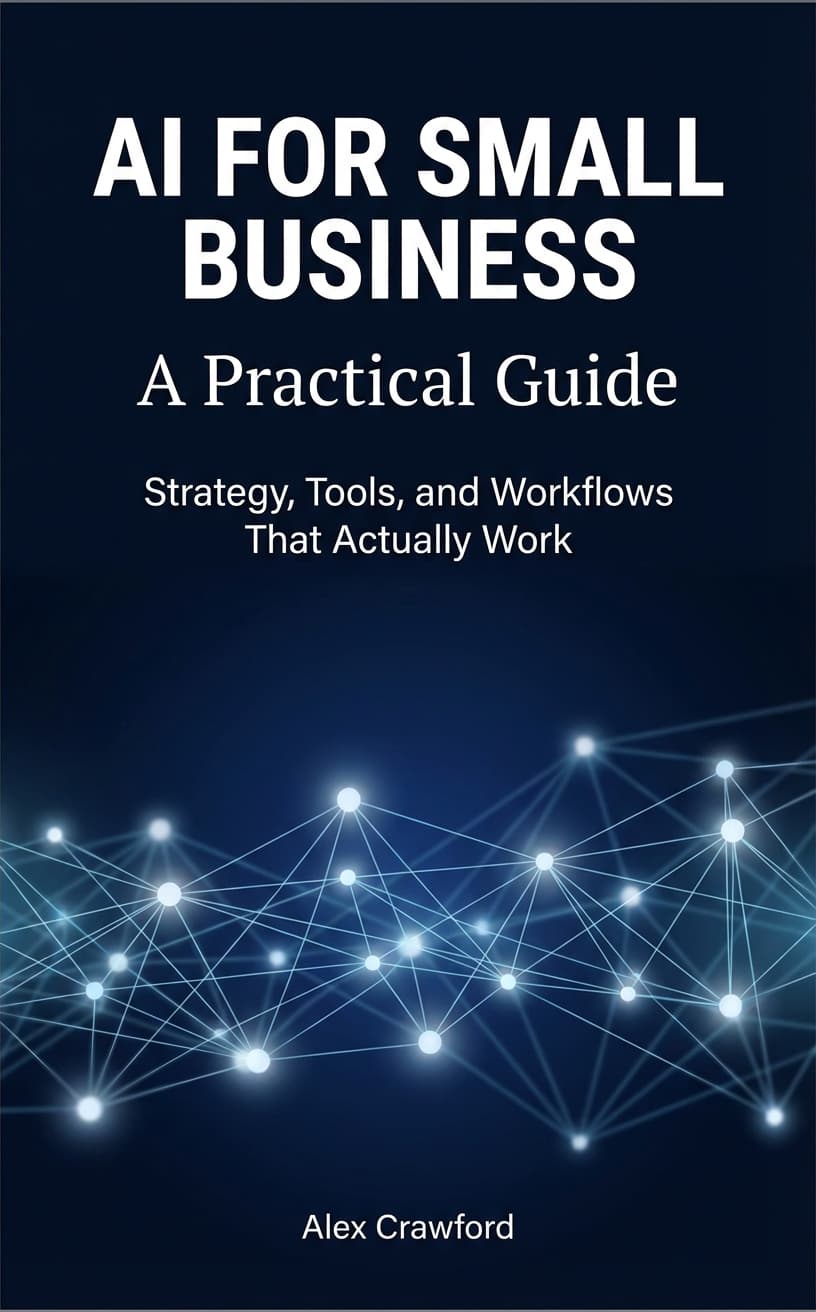
For a practical guide to using AI effectively — including how to handle its limitations, protect your data, and build workflows that leverage AI's strengths while avoiding its weaknesses — check out AI for Small Business: A Practical Guide.