4 books · 6 practical guides
AI for Small Business: Strategy, Tools, and Workflows
A practical starting point for small-business owners choosing AI tools, automating routine work, building simple applications, and managing AI risk.
Small businesses do not need an enterprise AI transformation program. They need a short list of expensive or repetitive problems, a controlled way to test solutions, and clear rules for customer and company data. The goal is useful capacity—not the largest possible software stack.
The books and guides in this collection move from basic tool selection to workflow automation, lightweight app building, leadership decisions, and risk controls. Start with one weekly task that has a clear owner and visible output. Measure the time or error reduction before adding another tool.
Every recommendation here is designed for a team that has limited time, budget, and technical support. Free chapters let you inspect the approach before choosing a book or committing to a platform.
Practical framework
A five-step small-business AI adoption plan
- 1
Inventory recurring work
List the reports, emails, handoffs, customer questions, and data cleanup that consume time every week. Rank them by hours, error cost, and customer impact.
- 2
Choose one bounded workflow
Select a task with a clear input and output. Avoid beginning with a company-wide chatbot or an undefined goal such as “use more AI.”
- 3
Keep a human decision point
Let AI draft, classify, summarize, or propose. Keep approval with the person responsible for the customer, employee, financial, or legal consequence.
- 4
Write the data rules first
Decide what employees may enter, which accounts are approved, how outputs are checked, and when sensitive work must stay out of public tools.
- 5
Measure before expanding
Compare time, quality, rework, and customer outcomes against the old process. Expand only when the result survives normal weekly use.
Books and free chapters
Go deeper with the collection
Every book page includes a complete opening chapter. Read the sample first, compare the approaches, and choose only the guide that fits your work.
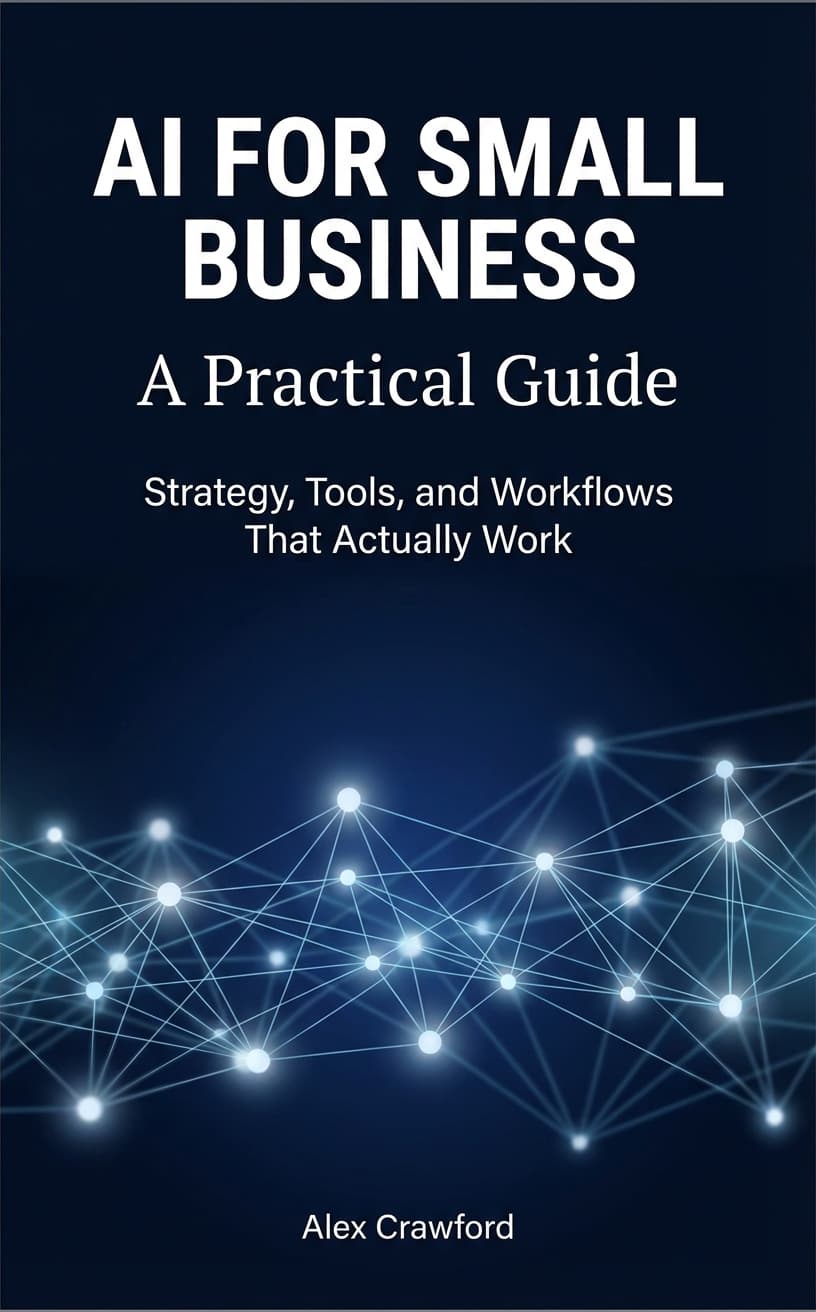
AI for Small Business: A Practical Guide
Strategy, Tools, and Workflows That Actually Work
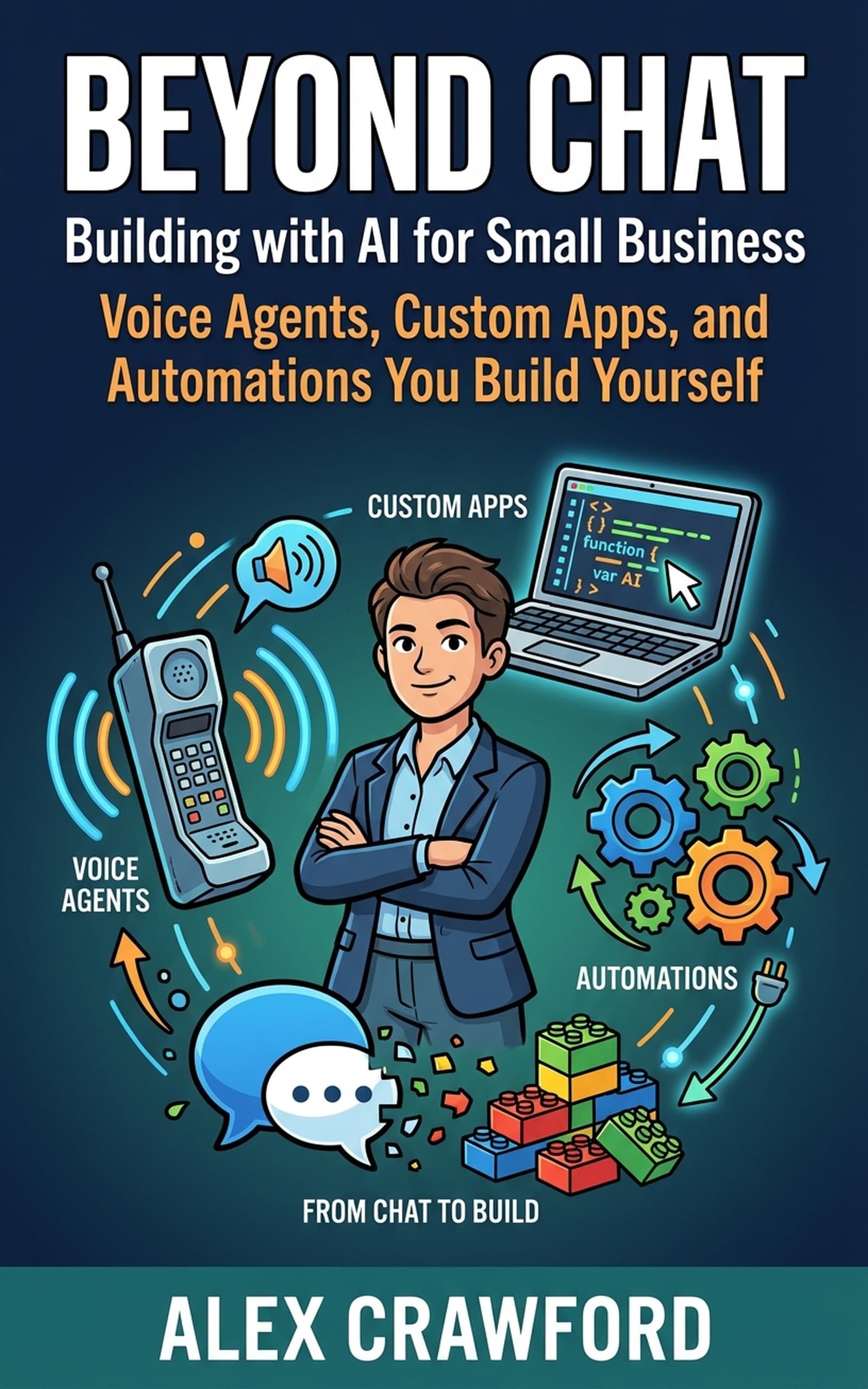
Beyond Chat: Building with AI for Small Business
Voice Agents, Custom Apps, and Automations You Build Yourself
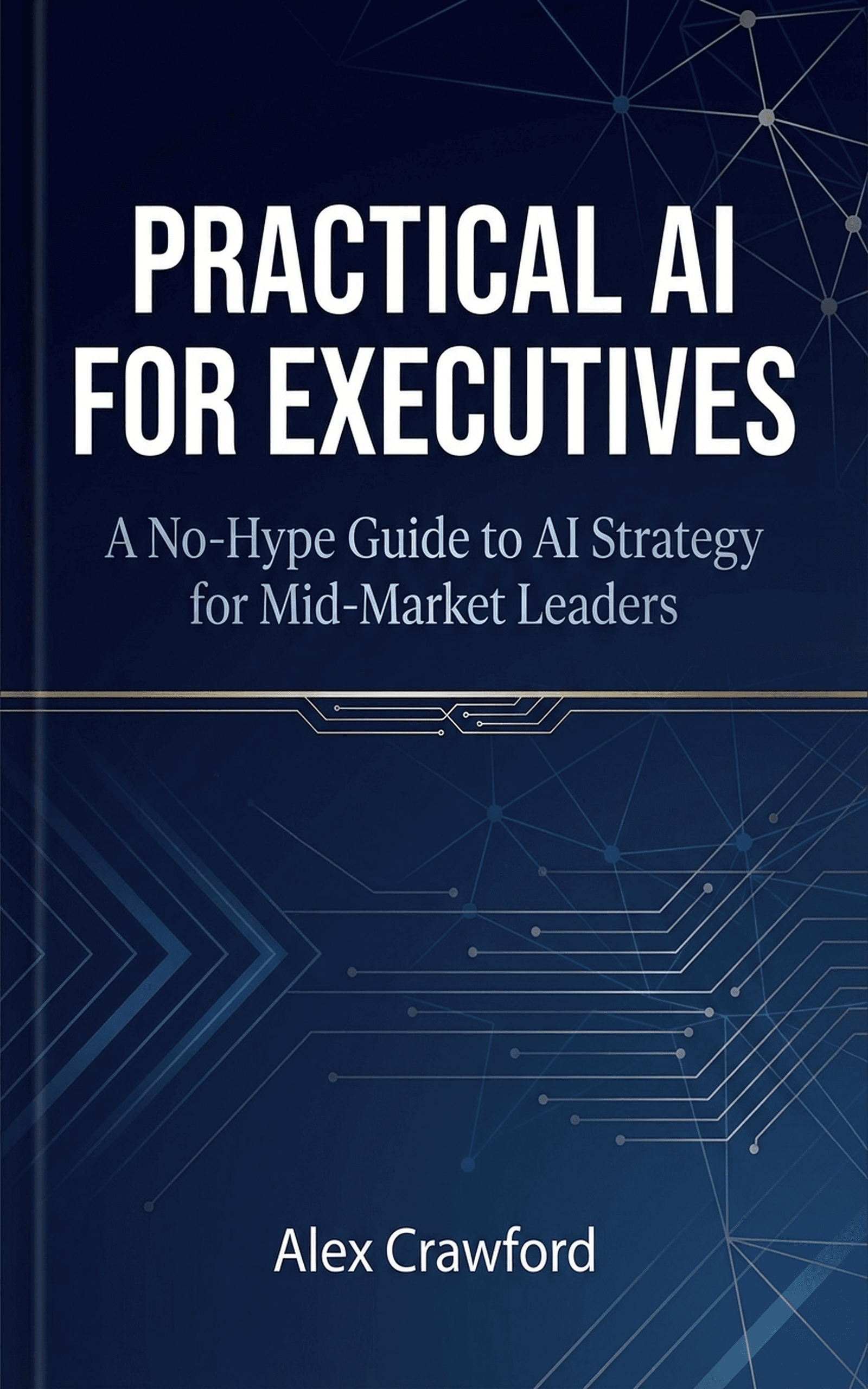
Practical AI for Executives
A No-Hype Guide to AI Strategy for Mid-Market Leaders
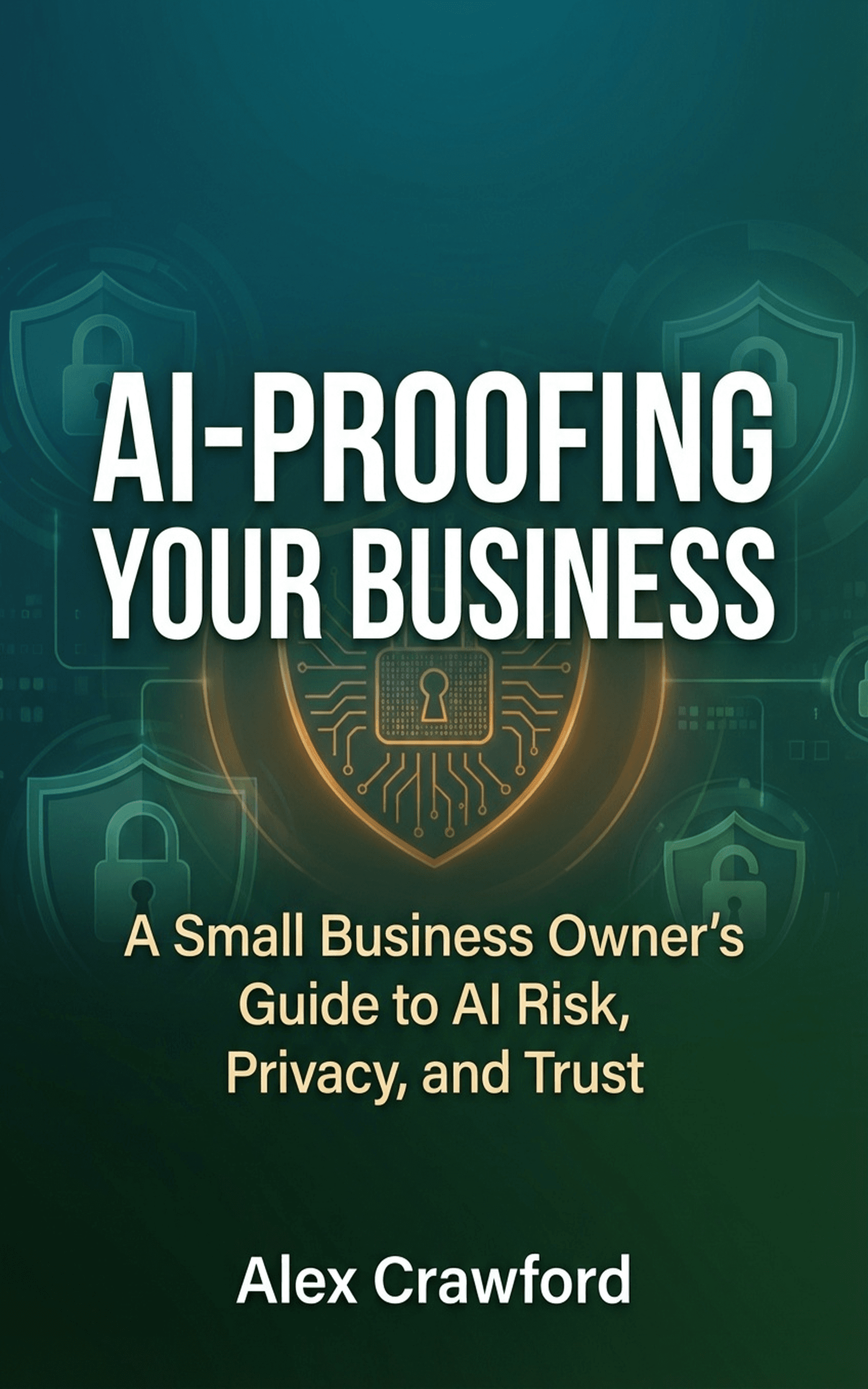
AI-Proofing Your Business
A Small Business Owner's Guide to AI Risk, Privacy, and Trust
Free practical reading
Start with a specific workflow
These articles turn the collection's core ideas into bounded tasks you can evaluate before buying a tool or changing a process.
Getting Started with AI for Your Business: 5 Things to Do This Week
You don't need a big budget or technical skills to start using AI in your business. Here are five things you can do this week to get real results.
How to Build a Small Business AI Stack for Under $50 a Month
You don't need enterprise software or a big budget to use AI effectively. Here's how to build a complete AI toolkit for your small business for less than $50 per month.
How to Write an AI Policy for Your Small Business
A simple AI policy protects your business and gives your team clear rules for using AI tools at work.
How to Automate Your Back Office with Zapier, Make, and AI
Zapier, Make, and AI can automate your invoicing, lead routing, appointment confirmations, and reporting without writing a line of code.
5 AI Customer Service Workflows That Keep Clients Coming Back
Most small businesses lose customers not because of bad products, but slow responses. Here are five AI workflows that help you respond faster, follow up better, and turn one-time buyers into regulars.
5 Real Tools Small Business Owners Built with AI This Year
Five small business owners built custom tools with AI that solved real problems, and none of them had a technical background.
Common questions
Before you start
What is the best first AI project for a small business?
A frequent, low-risk task with a clear output—such as summarizing intake notes, drafting routine follow-ups, or categorizing support requests—is usually a better first project than a customer-facing autonomous agent.
Do I need to hire a developer?
Not for many internal workflows. Modern automation and AI-assisted building tools can handle useful prototypes, but authentication, payments, sensitive data, and business-critical systems still deserve experienced technical review.
How many AI tools should a small business buy?
As few as possible. Begin with tools that solve a measured workflow, document the owner and cost, and remove subscriptions that do not produce a repeatable business result.