4 books · 6 practical guides
AI for HR, Education, and Nonprofits
Human-reviewed AI workflows for hiring, education, nonprofit operations, communications, and other work where trust matters more than volume.
People-centered organizations face a different AI test: efficiency is useful only when it does not weaken trust, confidentiality, access, or professional judgment. The work often includes sensitive context that should not be copied into a public model or reduced to an automated score.
Safer applications help prepare materials, organize non-sensitive information, draft alternatives, and surface questions for a qualified person. Hiring decisions, student evaluation, safeguarding, and eligibility decisions need policies and accountable human review appropriate to the field.
These books and articles are organized around that boundary. They offer starting points for responsible experiments while making clear that a general guide is not a substitute for an employer's policy, professional standards, or legal advice.
Practical framework
A trust-first evaluation for people-centered AI
- 1
Name who could be affected
Identify employees, applicants, students, clients, donors, volunteers, or communities whose privacy, access, or opportunity may change.
- 2
Minimize the data
Use synthetic, redacted, or aggregated information whenever the task can be completed without personal or confidential records.
- 3
Keep consequential judgment human
AI may organize or draft, but the accountable professional should review decisions involving employment, education, safety, or eligibility.
- 4
Test for uneven failure
Look beyond average accuracy. Check whether language, disability, background, access, or unusual circumstances create worse outcomes for some people.
- 5
Explain and offer a path back
People should know when automation materially shaped an interaction and how to reach a person, correct information, or challenge an outcome.
Books and free chapters
Go deeper with the collection
Every book page includes a complete opening chapter. Read the sample first, compare the approaches, and choose only the guide that fits your work.
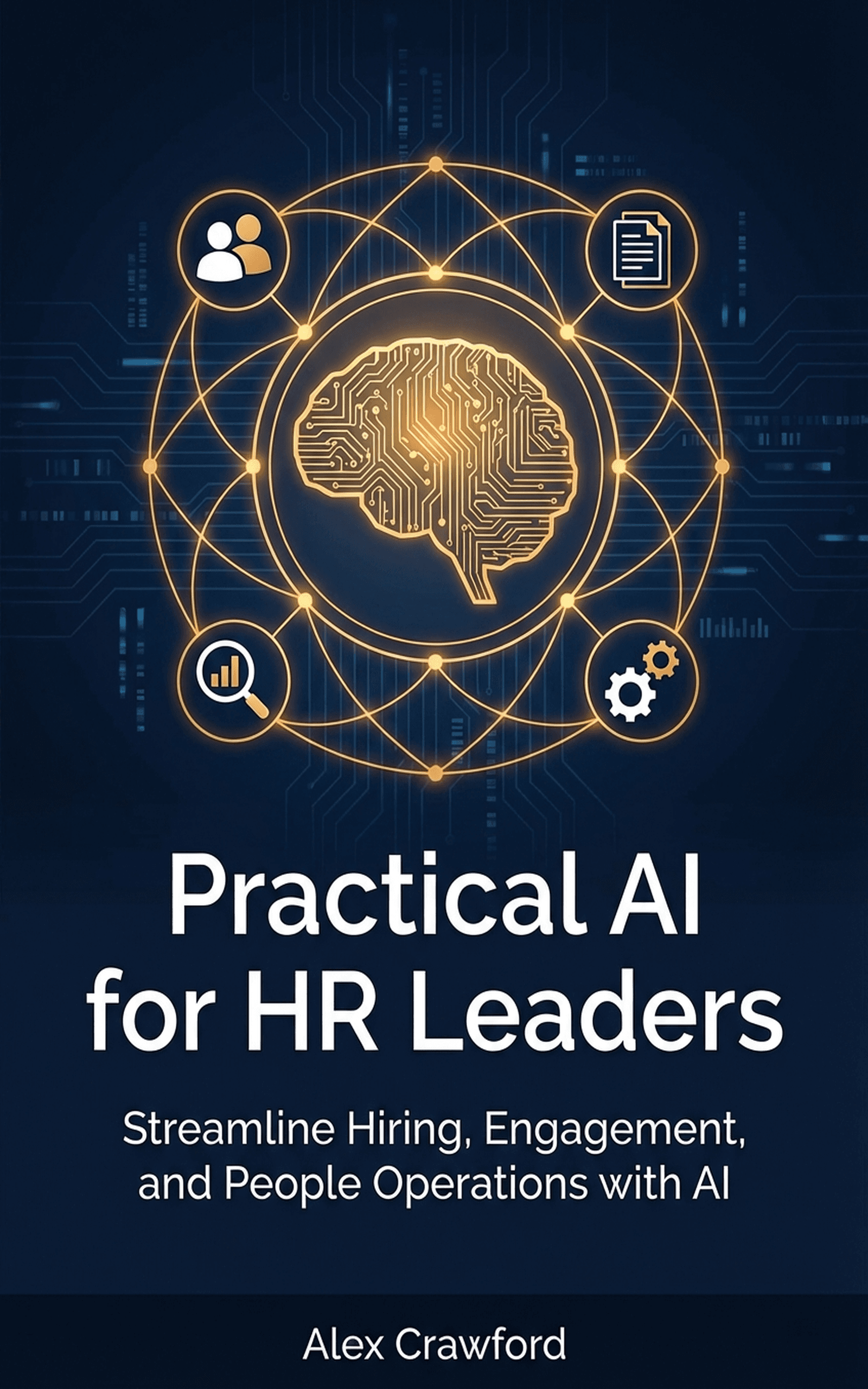
Practical AI for HR Leaders
Streamline Hiring, Engagement, and People Operations with AI
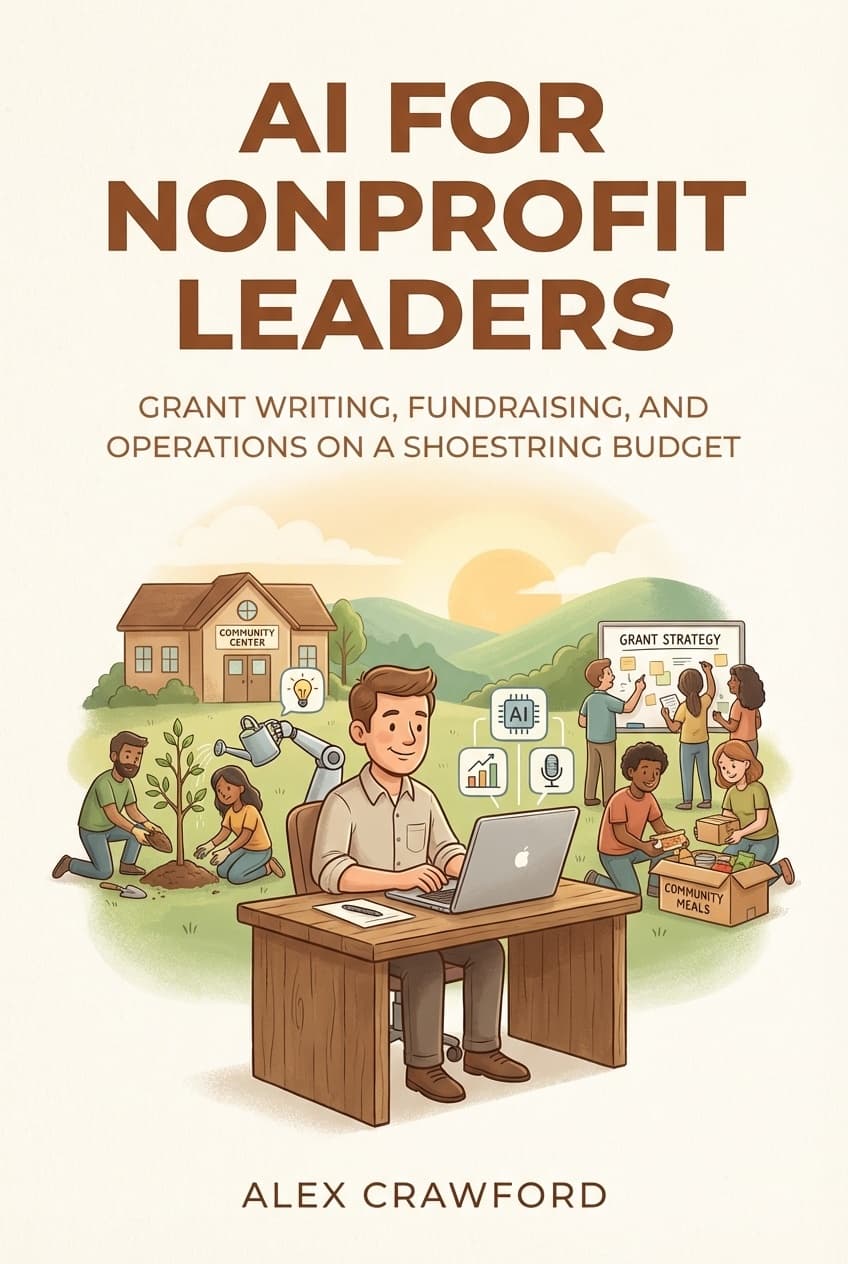
AI for Nonprofit Leaders
Grant Writing, Fundraising, and Operations on a Shoestring Budget
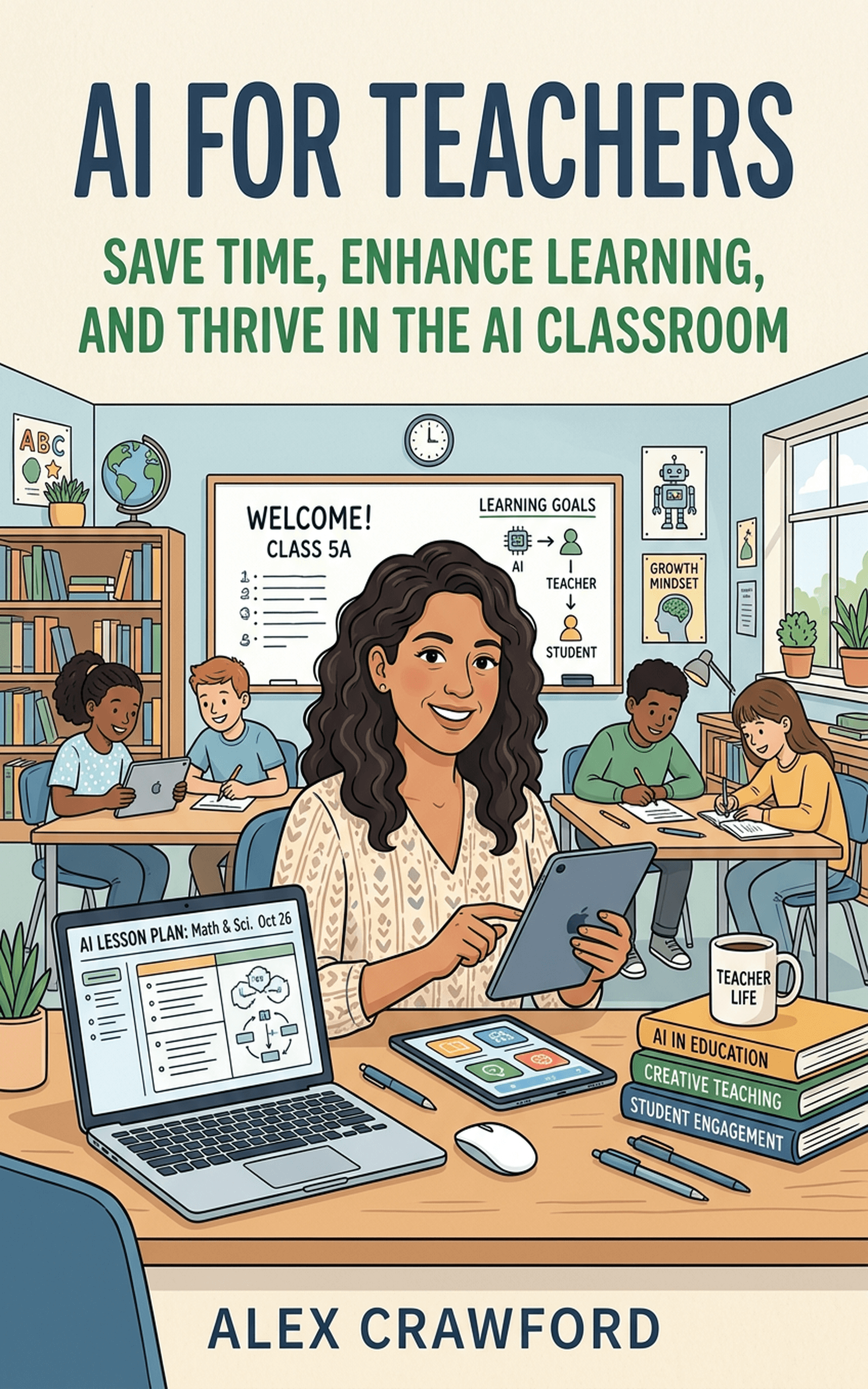
AI for Teachers
Save Time, Enhance Learning, and Thrive in the AI Classroom
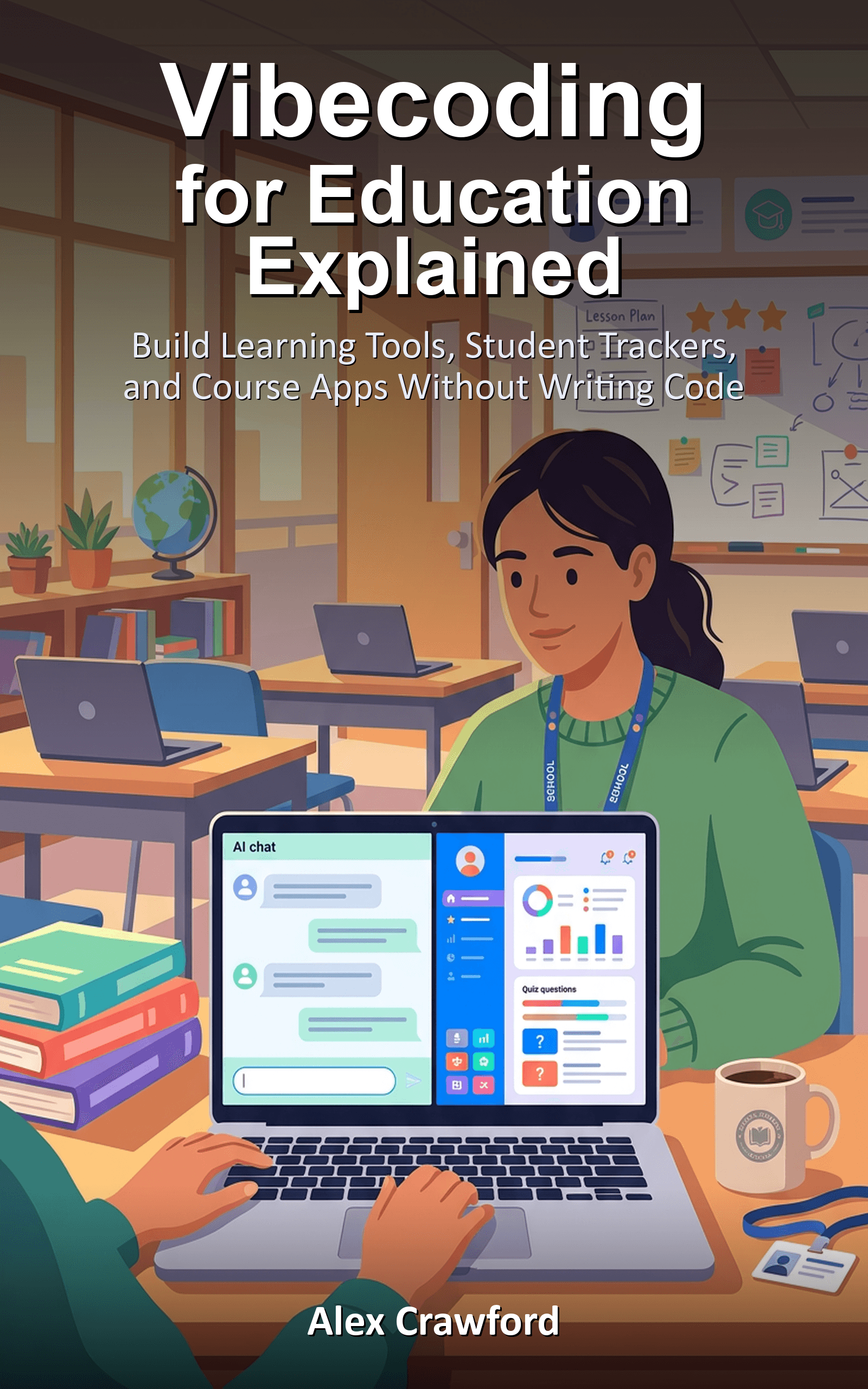
Vibecoding for Education Explained
Build Learning Tools, Student Trackers, and Course Apps Without Writing Code
Free practical reading
Start with a specific workflow
These articles turn the collection's core ideas into bounded tasks you can evaluate before buying a tool or changing a process.
How AI Is Changing Hiring — And What HR Leaders Should Do Now
AI is reshaping how companies recruit, onboard, and retain employees. Here's what HR professionals need to know — and five practical ways to start using AI in people operations today.
AI-Powered Onboarding: How to Get New Hires Up to Speed in Half the Time
Bad onboarding is the top reason new hires leave within 90 days. AI can help you build personalized onboarding plans, generate training materials, and create the consistency that keeps people around.
How to Turn 500 Employee Survey Responses into an Action Plan with AI
Stop drowning in open-ended survey responses. Use AI to extract themes, run sentiment analysis, and build a focused action plan in hours instead of weeks.
How Nonprofits Are Using AI to Write Grants Faster
Grant writing doesn't have to eat your entire week. Here's how nonprofit leaders are using free AI tools to write stronger proposals in half the time — without losing their organization's voice.
How to Build a Grant Proposal Component Library and Never Start from Scratch Again
Stop rewriting the same grant sections over and over. Build a reusable component library with AI and cut your proposal drafting time by 60%.
How to Use AI to Write Donor Communications That Actually Get Read
Donors give to organizations that make them feel connected to the mission. AI can help you write appeals, updates, and thank-yous that sound personal — even when you're sending hundreds.
Common questions
Before you start
Can AI screen job applicants or evaluate students?
These are consequential uses with bias, privacy, accessibility, and compliance risks. AI can support organization and drafting, but policies, validated methods, qualified review, and a human appeal path are essential.
Can confidential client or student information go into an AI tool?
Only when the organization has approved the specific tool and account for that information, with suitable contracts, access, retention, security, and professional-policy controls. Otherwise use redacted or synthetic data.
What is a low-risk first use?
Drafting a generic checklist, lesson variation, volunteer communication template, or interview-question bank from non-sensitive inputs is safer than automating a decision about a person.