6 books · 5 practical guides
Career Resilience in an AI-Changing Job Market
A practical, grounded path for assessing your work, learning useful AI skills, repositioning your experience, and rebuilding after disruption.
Career disruption creates two urgent problems at once: immediate financial and emotional pressure, and uncertainty about which work will remain valuable. A useful response does not require predicting the entire labor market. It requires separating urgent needs from longer-term repositioning and testing concrete options quickly.
AI literacy matters, but tool familiarity alone is not a career strategy. Durable value usually combines domain knowledge, judgment, relationships, accountability, and the ability to use new tools to deliver a better result. The goal is a portfolio of evidence—not a list of course certificates.
This collection begins with the complete opening chapter of Career After AI Layoff and connects it to practical articles about learning, limitations, and human-plus-AI work. It is educational content, not individualized employment, financial, legal, or mental-health advice.
Practical framework
A 30-day career-resilience sprint
- 1
Stabilize the immediate situation
Separate benefits, cash runway, insurance, references, and daily structure from the larger question of your next professional identity.
- 2
Inventory evidence, not job titles
List problems solved, decisions owned, relationships built, systems understood, and outcomes delivered. These travel better than a narrow title.
- 3
Map tasks against change
Identify which tasks are automating, which are being augmented, and which still depend on context, trust, accountability, or physical presence.
- 4
Build one public proof
Create a small case study, workflow, analysis, or tool that combines your existing expertise with responsible AI use and can be discussed in an interview.
- 5
Run market conversations
Use targeted conversations to test where the problem exists, how teams currently solve it, and what evidence would make your experience credible in the new role.
Books and free chapters
Go deeper with the collection
Every book page includes a complete opening chapter. Read the sample first, compare the approaches, and choose only the guide that fits your work.
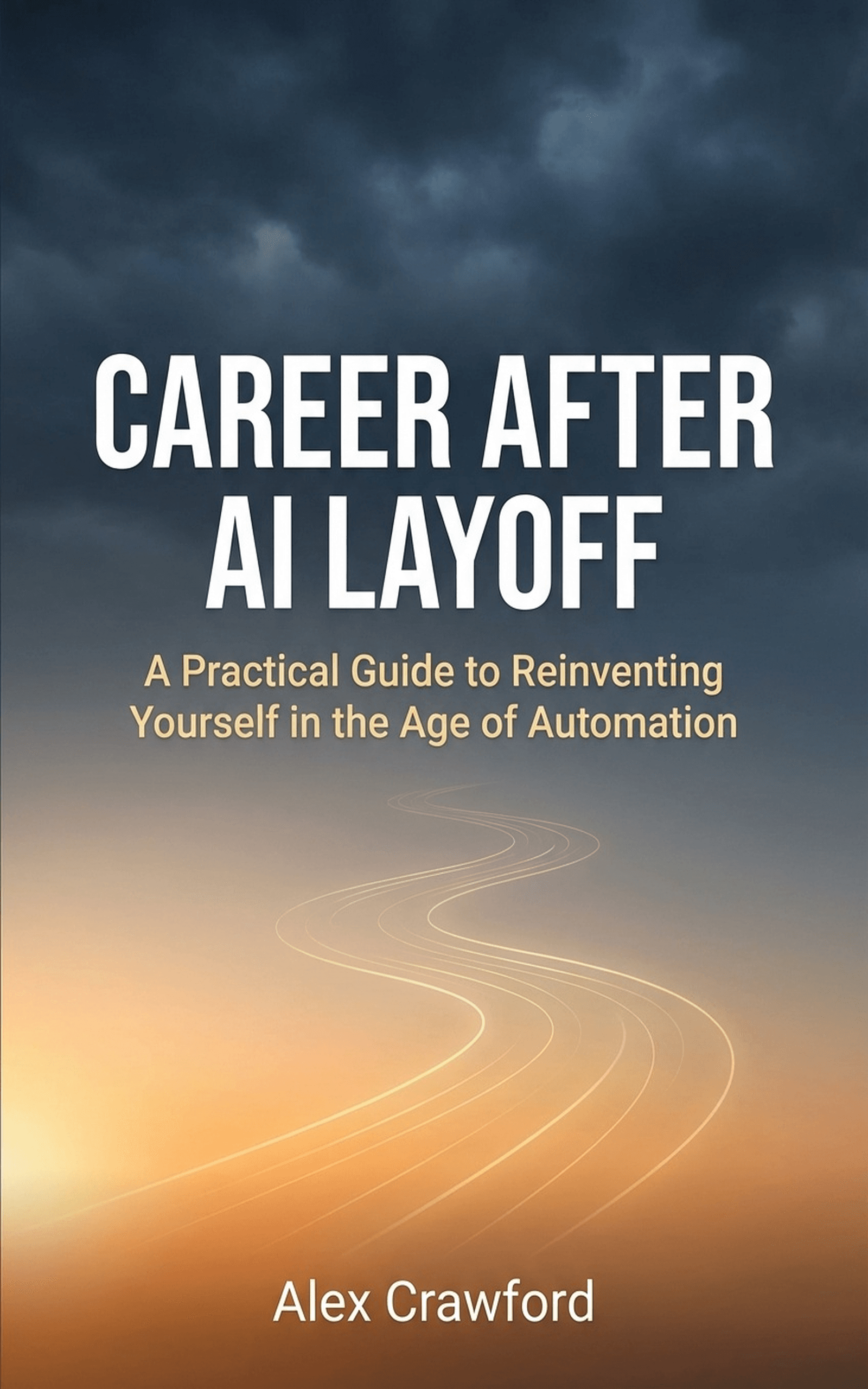
Career After AI Layoff
A Practical Guide to Reinventing Yourself in the Age of Automation
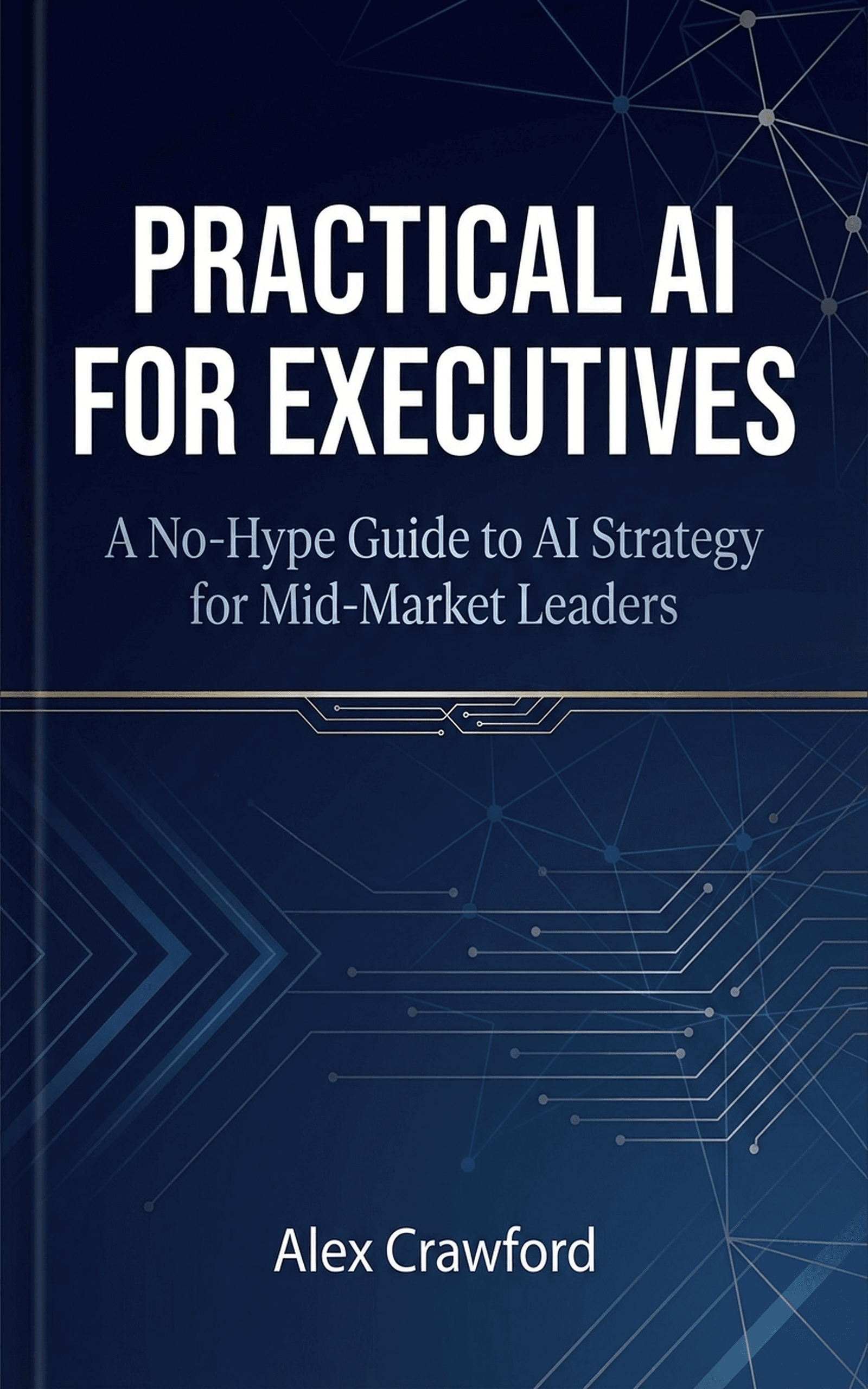
Practical AI for Executives
A No-Hype Guide to AI Strategy for Mid-Market Leaders
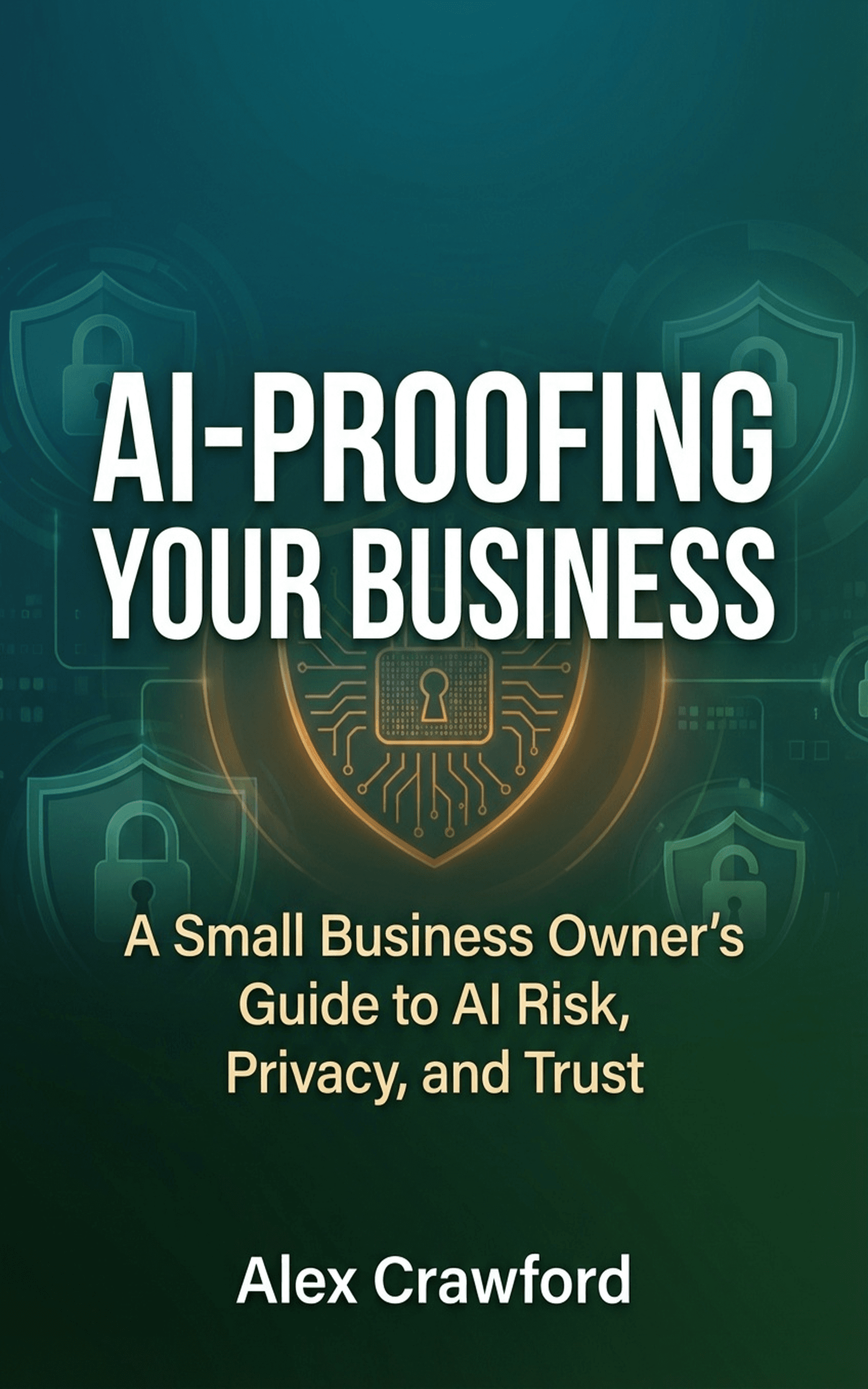
AI-Proofing Your Business
A Small Business Owner's Guide to AI Risk, Privacy, and Trust
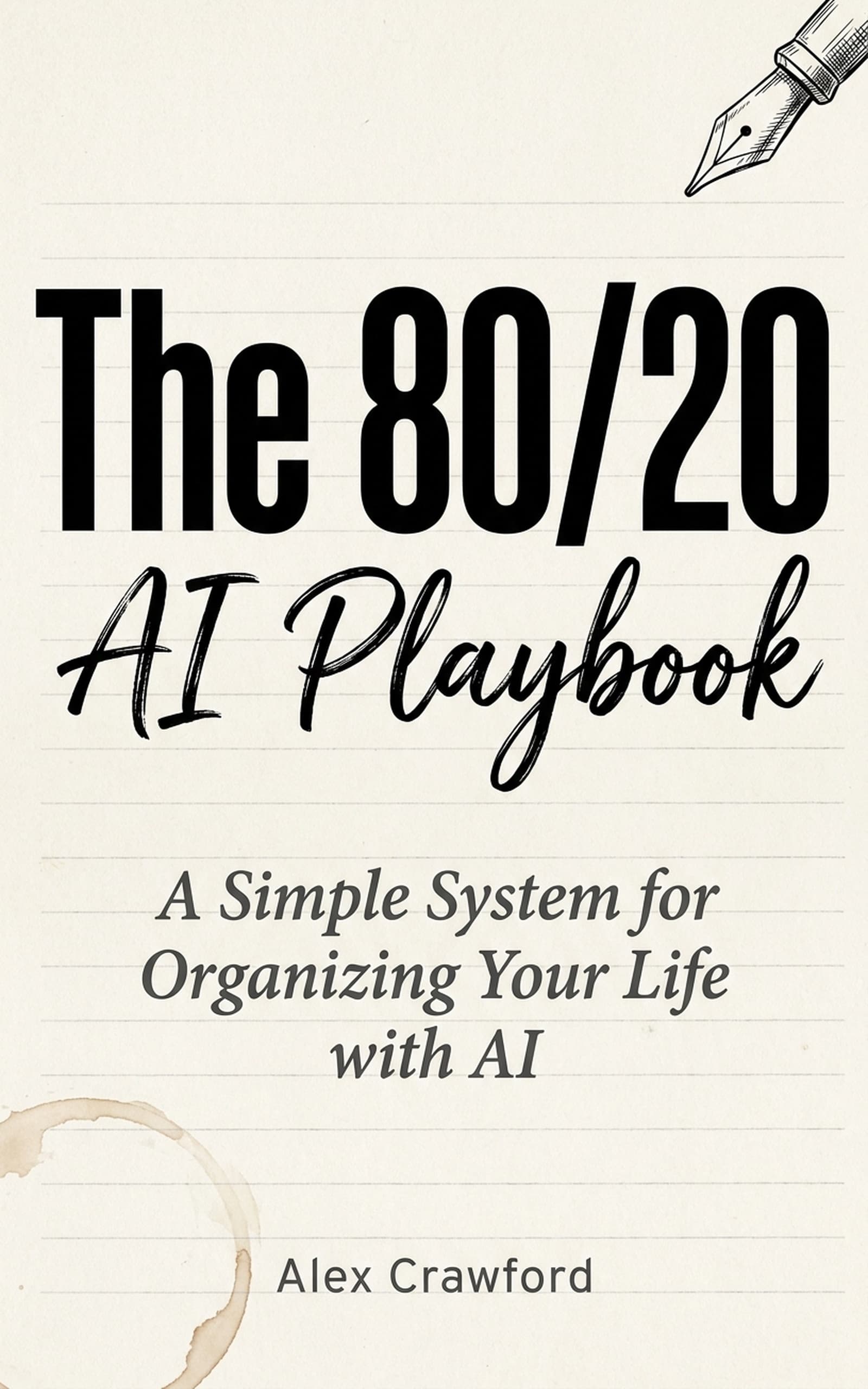
The 80/20 AI Playbook
A Simple System for Organizing Your Life with AI
How to Learn Anything with AI
Prompts, Methods, and Study Systems That Actually Work — 2026 Edition
The 2026 FP&A Career Guide
Navigating Finance in the AI Era
Free practical reading
Start with a specific workflow
These articles turn the collection's core ideas into bounded tasks you can evaluate before buying a tool or changing a process.
AI Won't Replace You. Someone Using AI Might.
The real threat isn't robots taking your job — it's your competitor finishing theirs twice as fast.
What AI Can't Do (And Why That's Actually Fine)
Understanding AI's real limitations makes you a better user — and protects your business from costly mistakes.
Why Most Professionals Fail at AI (And the Simple Fix)
The number one reason people get bad results from AI is embarrassingly simple to fix.
The 5-Minute AI Test: Try This Before You Buy Any Tool
A quick, practical exercise to test whether AI actually fits your workflow before you spend a dime.
Free vs. Paid AI Tools: What's Actually Worth Paying For in 2026
An honest breakdown of when free AI tools are enough and when upgrading actually pays for itself.
Common questions
Before you start
Should I learn AI after a layoff?
Learn the tools that change work in your field, but tie that learning to a demonstrable problem and outcome. A small, relevant proof is usually more persuasive than a generic certificate.
Do I need to change industries?
Not always. Start by separating your transferable expertise from the tasks most exposed to automation. Adjacent roles, new delivery models, or a different customer may preserve more of your advantage than a total restart.
What should I publish as proof of AI skill?
Use non-confidential data to show a before-and-after workflow, a reviewed analysis, a small internal-style tool, or a clear operating procedure. Explain the controls and judgment, not just the prompt.