6 books · 6 practical guides
AI, IT Operations, and Legacy Business Modernization
A field guide to AI-assisted IT work, operations, leadership, data modernization, and change inside established businesses.
Established businesses rarely have the option to replace every system and start over. Their technology work is a sequence of controlled improvements: documenting what exists, reducing fragile manual work, improving monitoring, cleaning data flows, and connecting investment to business risk.
AI can help IT teams summarize incidents, draft scripts, classify tickets, inspect patterns, and translate technical constraints for leadership. It can also create new failure modes when generated changes bypass testing or when sensitive infrastructure details enter an unapproved service.
This collection brings the IT and Legacy Business series into one path, from frontline support and operations to portfolio decisions, data foundations, and executive sponsorship.
Practical framework
Modernize without a risky big-bang rewrite
- 1
Map the operating reality
Document systems, owners, interfaces, manual workarounds, failure history, and the business process each asset supports.
- 2
Stabilize the dangerous edges
Prioritize unsupported components, single-person knowledge, unmonitored integrations, uncontrolled access, and recovery gaps before adding new capability.
- 3
Use AI behind review gates
Apply AI to drafts, triage, documentation, tests, and analysis. Require code review, change control, least privilege, and rollback for production changes.
- 4
Modernize one value stream
Choose a customer or operating workflow and improve it end to end instead of purchasing disconnected tools for every department.
- 5
Fund the next step with evidence
Track incidents avoided, cycle time, support load, data quality, and business throughput so the modernization case improves with each release.
Books and free chapters
Go deeper with the collection
Every book page includes a complete opening chapter. Read the sample first, compare the approaches, and choose only the guide that fits your work.
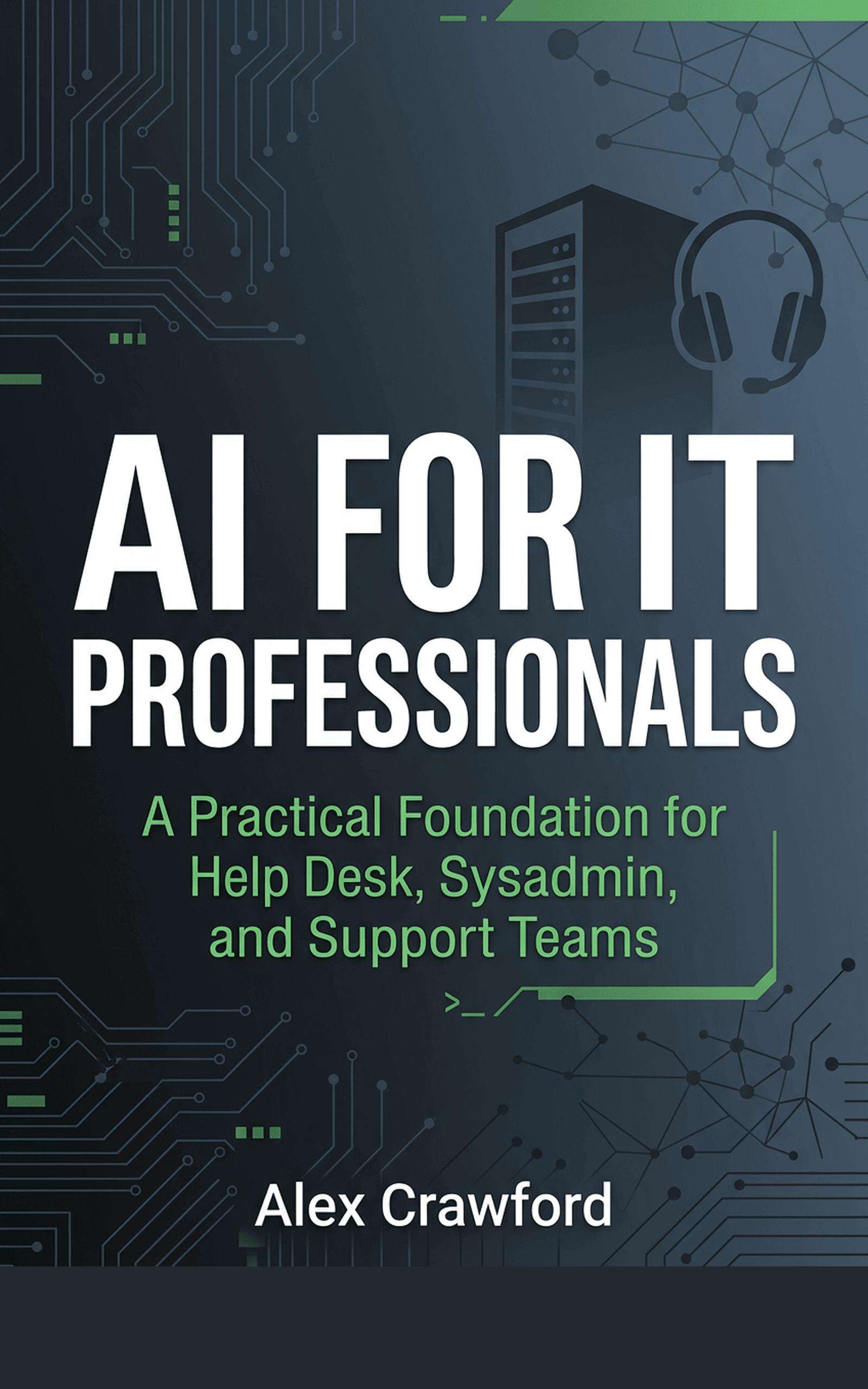
AI for IT Professionals
A Practical Foundation for Help Desk, Sysadmin, and Support Teams
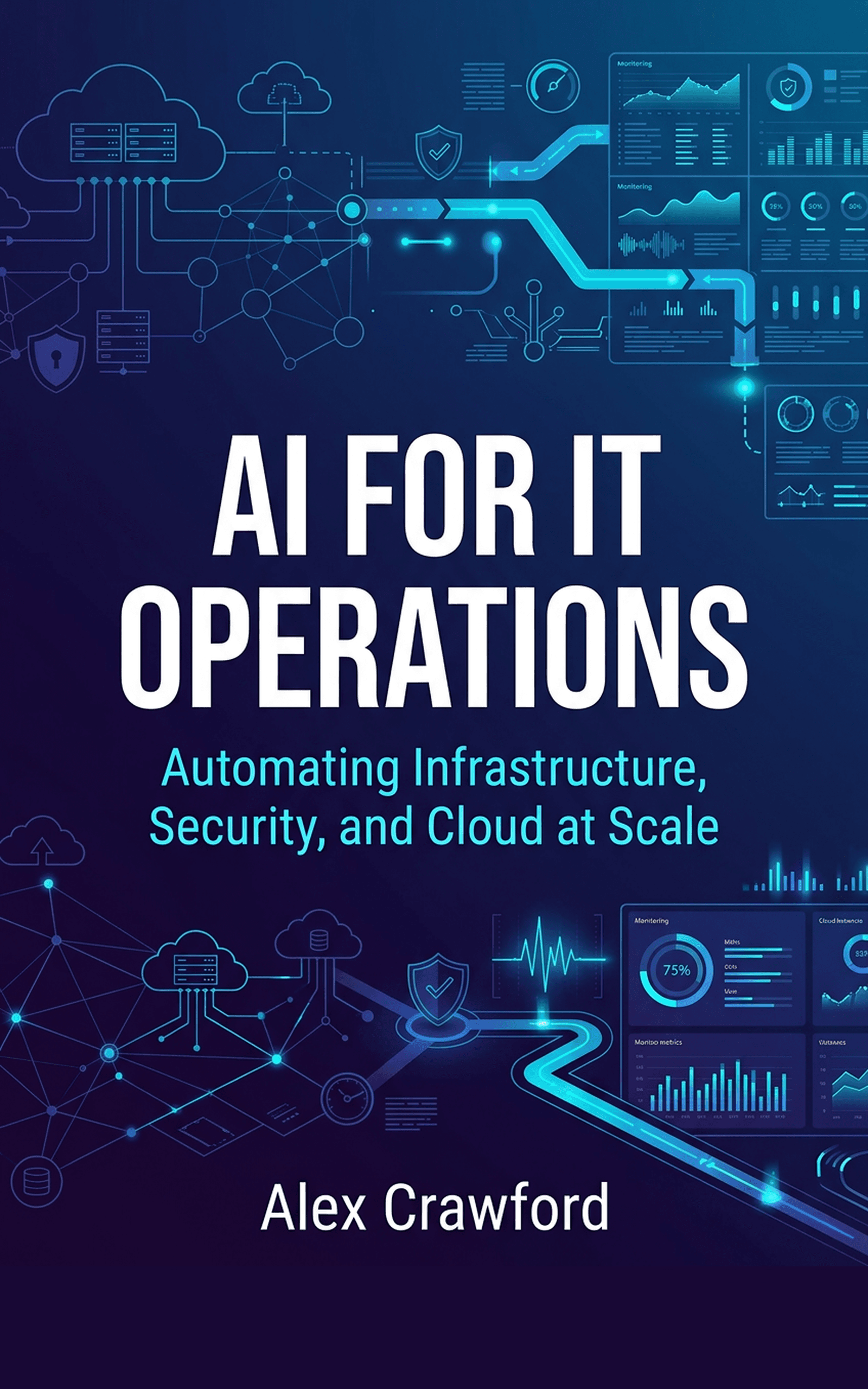
AI for IT Operations
Automating Infrastructure, Security, and Cloud at Scale
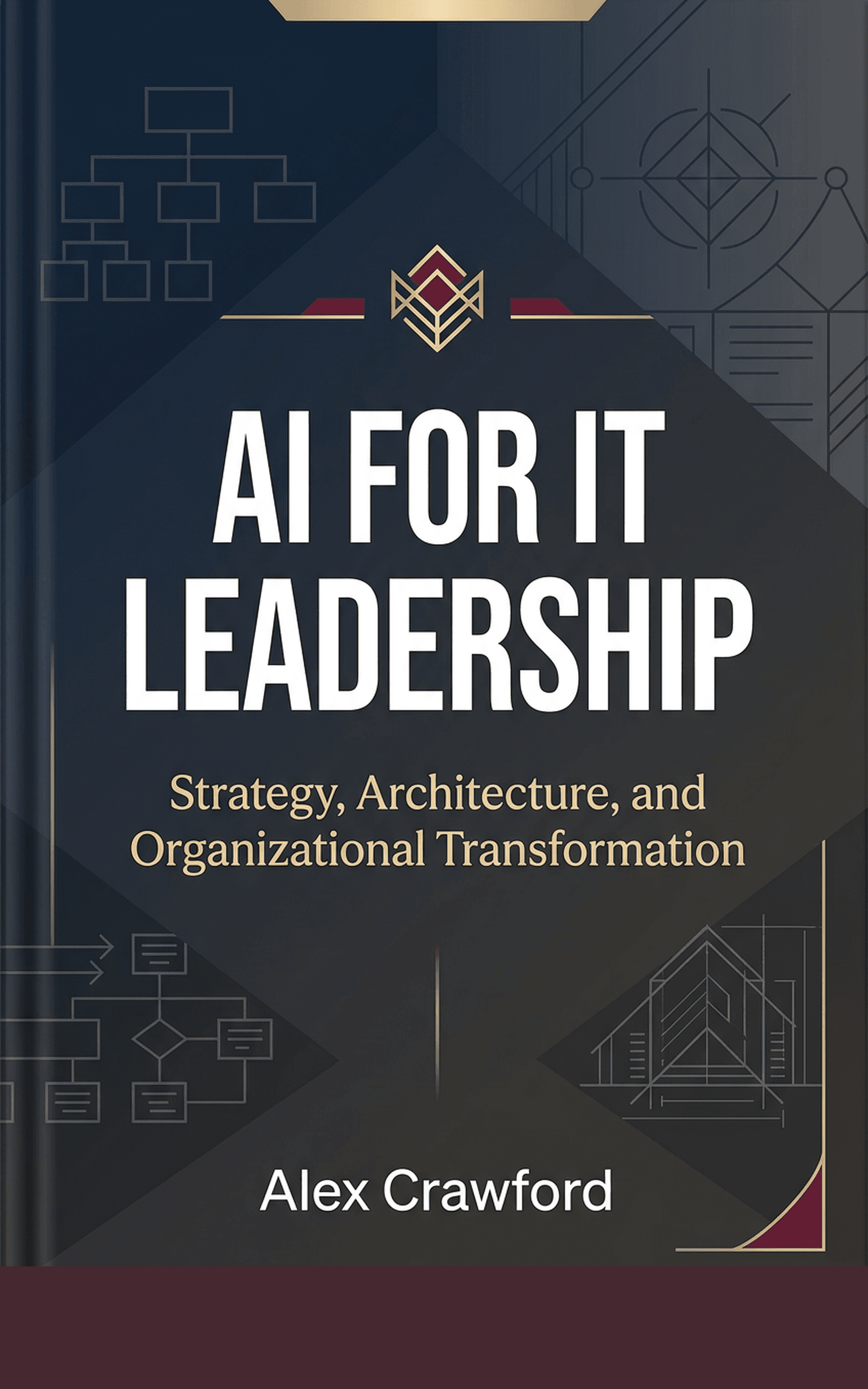
AI for IT Leadership
Strategy, Architecture, and Organizational Transformation
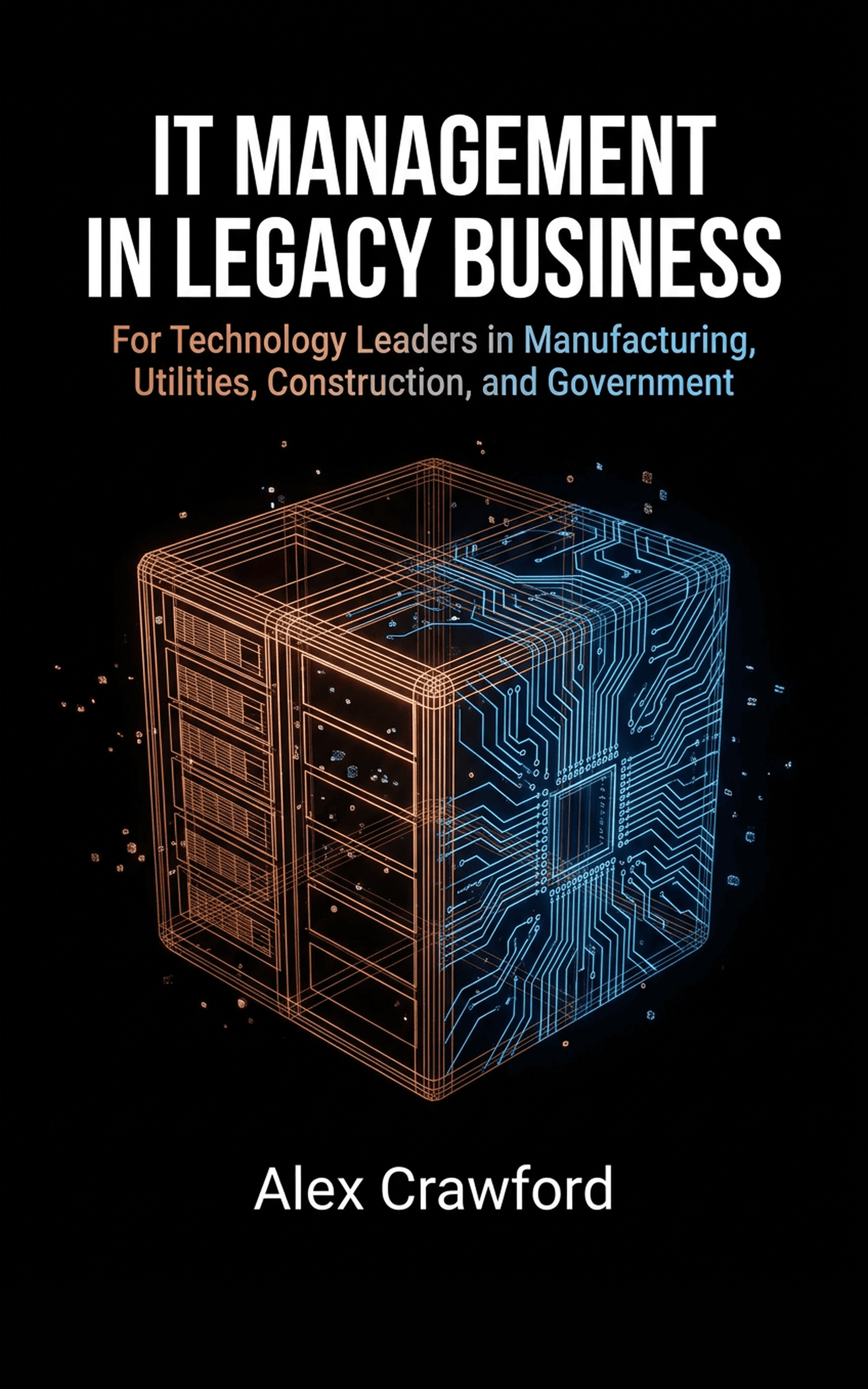
IT Management in Legacy Business
A Practical Guide for Technology Leaders in Manufacturing, Utilities, Construction, and Government
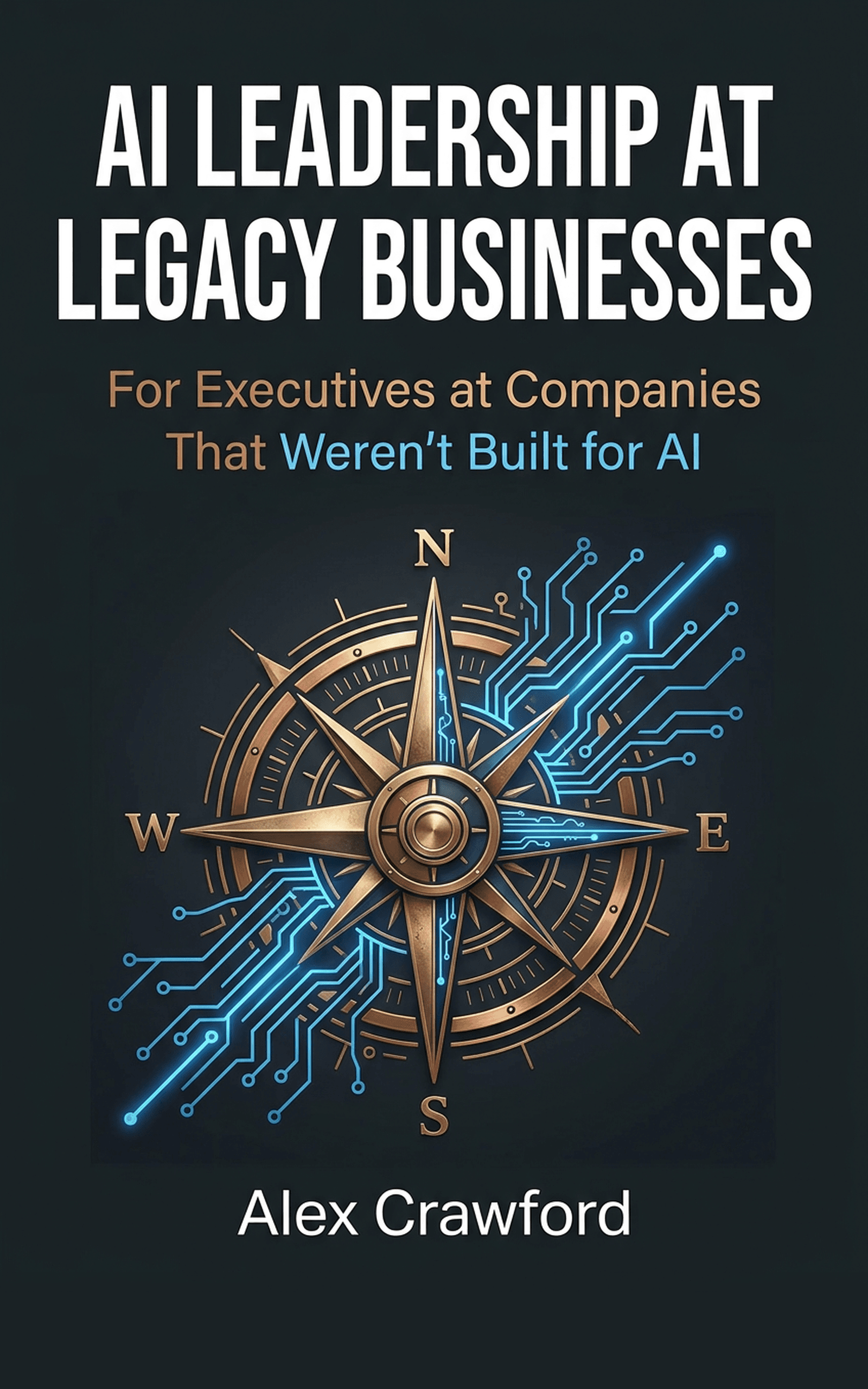
AI Leadership at Legacy Businesses
A Practical Guide for Executives at Companies That Weren't Built for AI
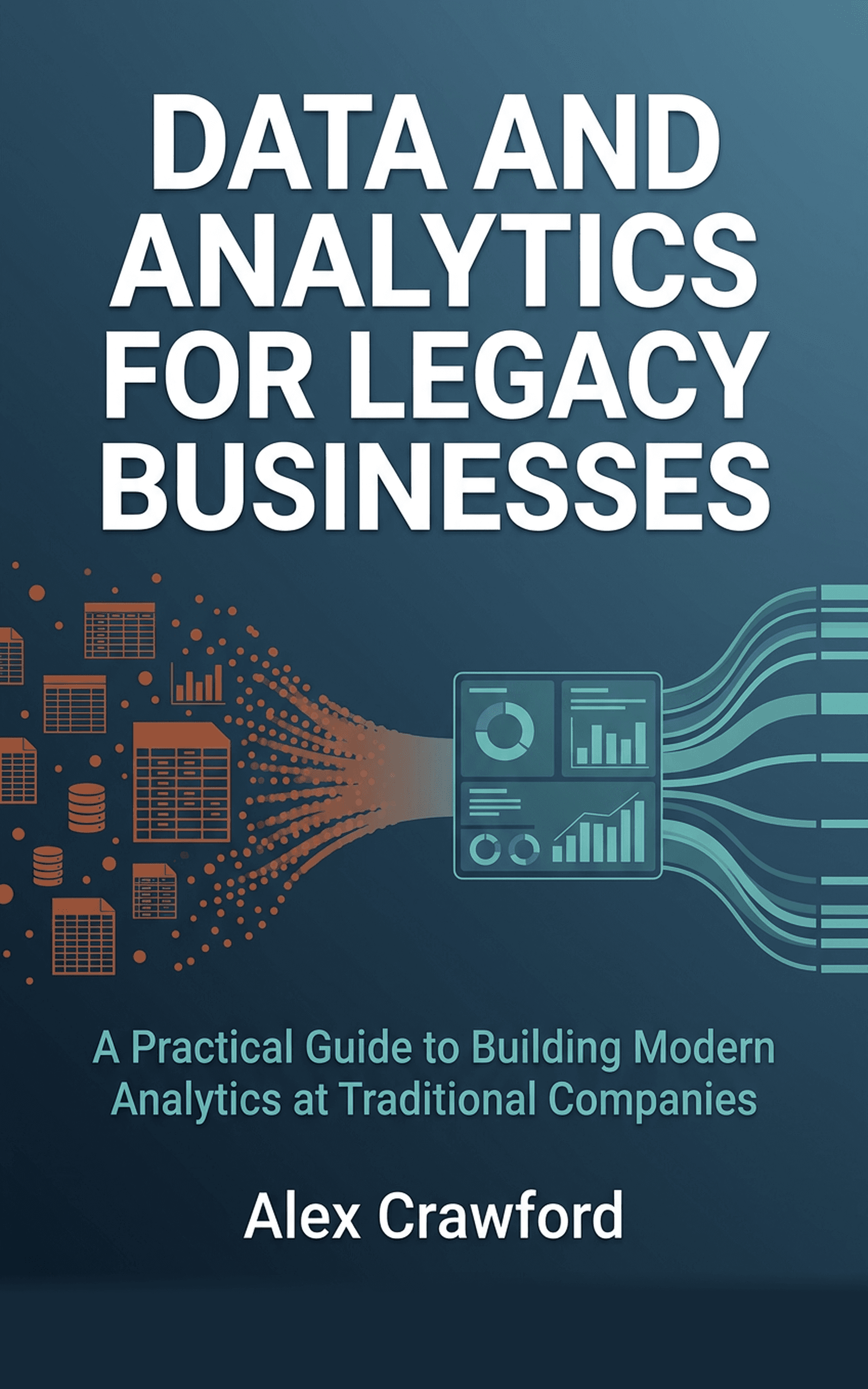
Data and Analytics for Legacy Businesses
A Practical Guide to Building Modern Analytics at Traditional Companies
Free practical reading
Start with a specific workflow
These articles turn the collection's core ideas into bounded tasks you can evaluate before buying a tool or changing a process.
AI-Powered Scripting for IT: PowerShell, Bash, and Python in Minutes
AI can turn a three-day scripting project into a 30-minute exercise, even if you have never written a line of code.
How to Use AI to Triage Help Desk Tickets Faster
AI-powered ticket triage can classify, prioritize, and route help desk tickets in seconds instead of minutes.
Predictive Monitoring: How AI Catches Infrastructure Problems Before They Crash
AI-powered predictive monitoring detects infrastructure anomalies before they become outages, reducing alert fatigue and downtime.
How to Cut Cloud Costs with AI: A Practical Guide for IT Teams
Most organizations waste 30 percent or more of their cloud spend, and AI can find the waste faster than any human audit.
How to Write an AI Strategy Your Board Will Actually Approve
Most AI strategies fail at the board level because they focus on technology instead of business outcomes. Here is how to fix that.
Introducing the Legacy Business Technology Series
Four new books for the leaders nobody writes for — IT managers, finance directors, and executives at manufacturers, utilities, and construction firms running on 15-year-old ERPs.
Common questions
Before you start
Can AI safely write production scripts?
AI can accelerate a first draft, but generated scripts need the same—or stronger—review, testing, permissions, logging, and rollback controls as human-written automation.
Should a legacy business replace its core system first?
Usually not without a clear business case and transition plan. Interfaces, data quality, observability, and high-risk manual steps often produce faster and safer early gains.
How do IT leaders explain AI investment to the board?
Tie each proposal to a business capability, baseline cost or risk, accountable owner, measurable outcome, and a bounded pilot with an explicit stop condition.