7 books · 6 practical guides
AI for Finance and Accounting Teams
Practical AI workflows for FP&A, accounting, close, reporting, forecasting, controls, and finance-led automation.
Finance teams get the most value from AI when it shortens the path from messy inputs to a reviewed decision. Useful applications include first-pass variance explanations, reconciliation support, management-report drafts, scenario narratives, and the repetitive documentation around close and planning.
The constraint is control. A fluent answer is not evidence, and a generated workbook is not automatically tied to the ledger. Strong finance workflows preserve source data, show the assumptions, reconcile totals, and assign a human reviewer before anything reaches leadership or a filing process.
This collection connects five books, complete opening chapters, practical articles, and the Finance AI Operating Kit. It is organized around the work finance teams already own rather than around individual AI vendors.
Practical framework
A controlled finance-AI workflow
- 1
Define the source of truth
Identify the ledger, approved model, policy, or reporting package that governs the answer. Preserve the original input and reporting period.
- 2
Constrain the task
Ask for a defined output such as a variance table, exception list, memo outline, or scenario comparison instead of a broad financial conclusion.
- 3
Require traceable support
Keep row references, formulas, assumptions, and source excerpts with the draft so a reviewer can reproduce the reasoning.
- 4
Review exceptions, not just prose
Test totals, signs, period alignment, materiality, and missing records. Polished language should never substitute for reconciliation.
- 5
Record approval and reuse
Save the reviewed prompt, input contract, controls, and owner as a repeatable operating procedure for the next close or forecast cycle.
Books and free chapters
Go deeper with the collection
Every book page includes a complete opening chapter. Read the sample first, compare the approaches, and choose only the guide that fits your work.
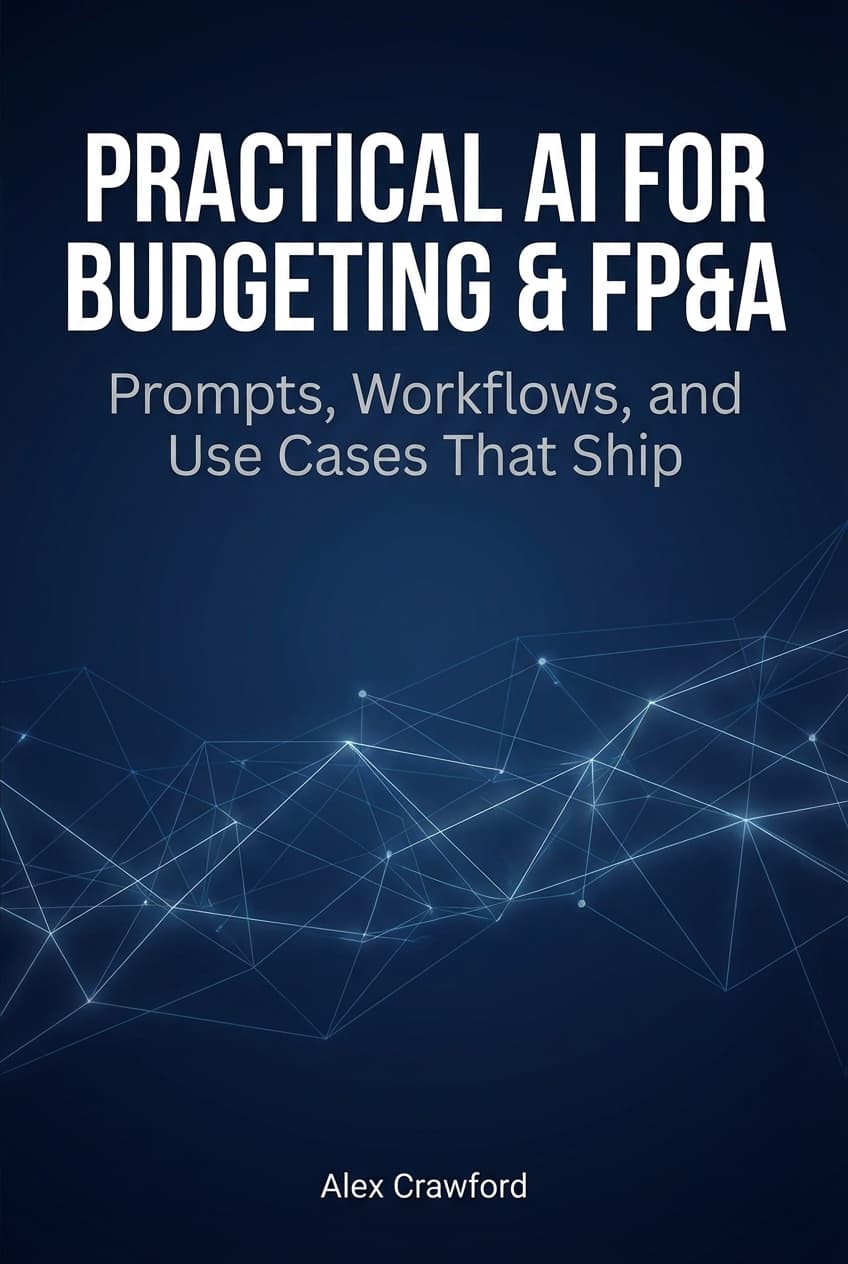
Practical AI for Budgeting & FP&A
Prompts, Workflows, and Use Cases That Ship
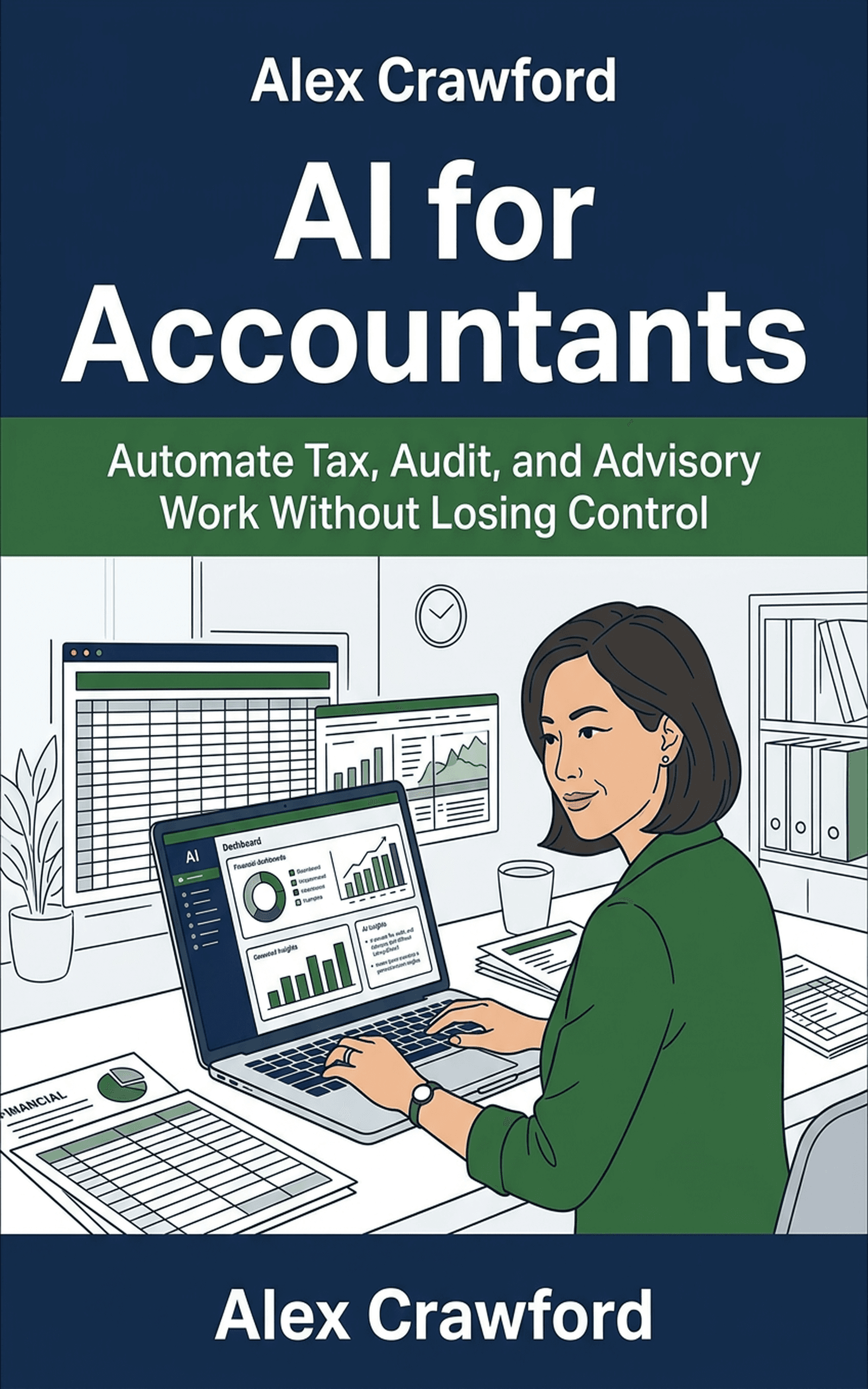
AI for Accountants
Automate Tax, Audit, and Advisory Work Without Losing Control
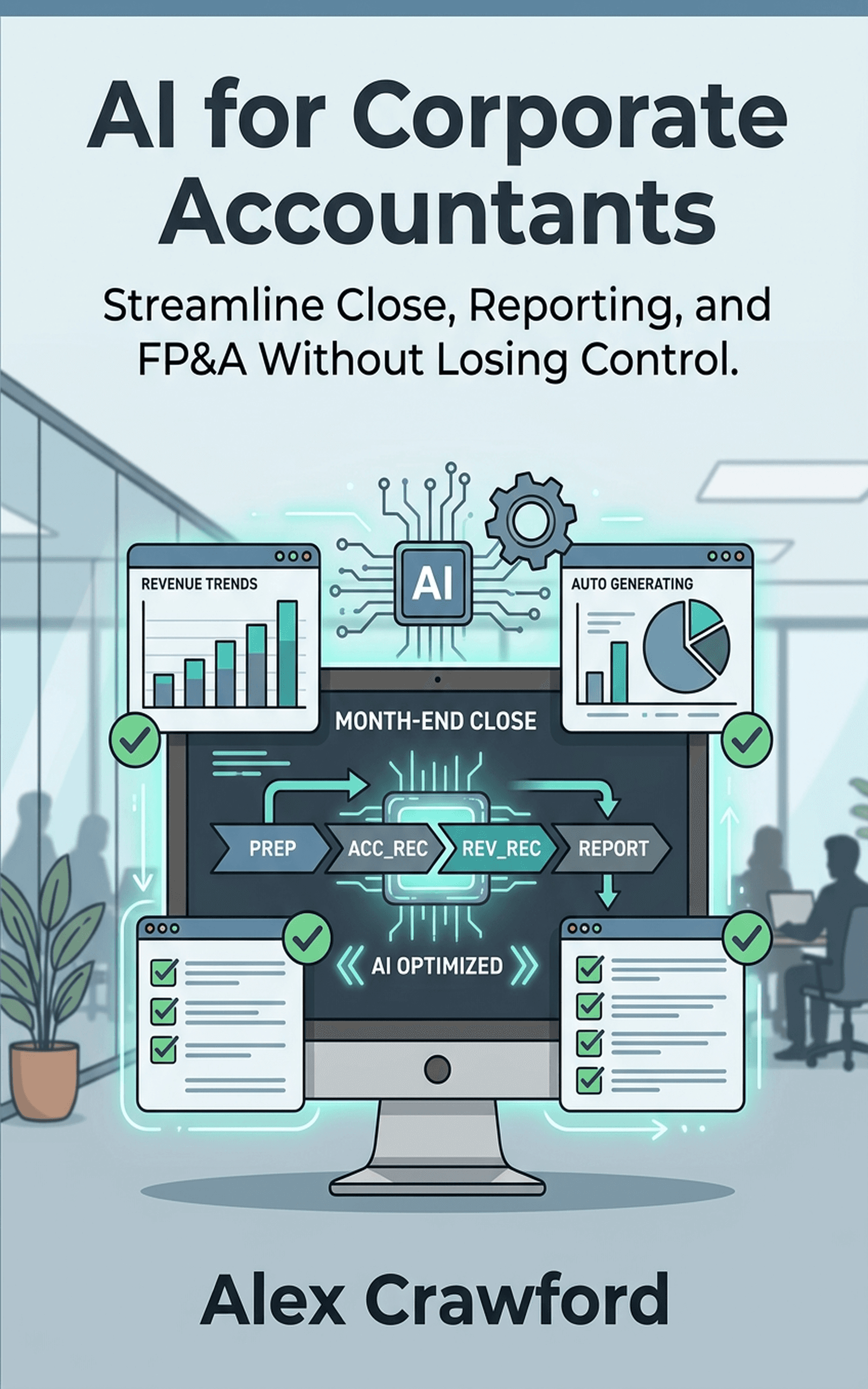
AI for Corporate Accountants
Streamline Close, Compliance, and Reporting Without Losing Control

Vibecoding for Finance Explained
Build Dashboards, Calculators, and Client Tools Without Writing Code
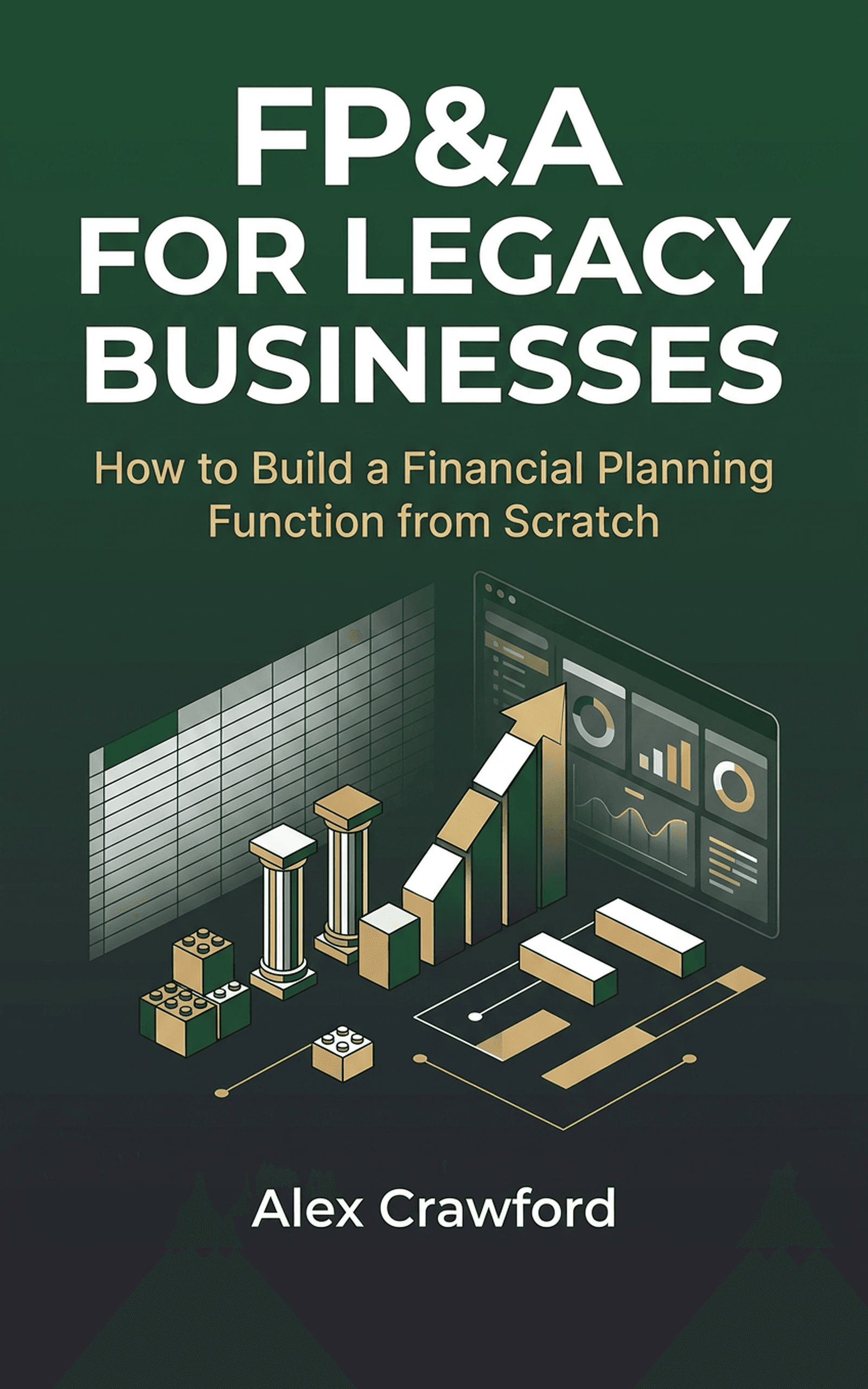
FP&A for Legacy Businesses
How to Build a Financial Planning Function from Scratch
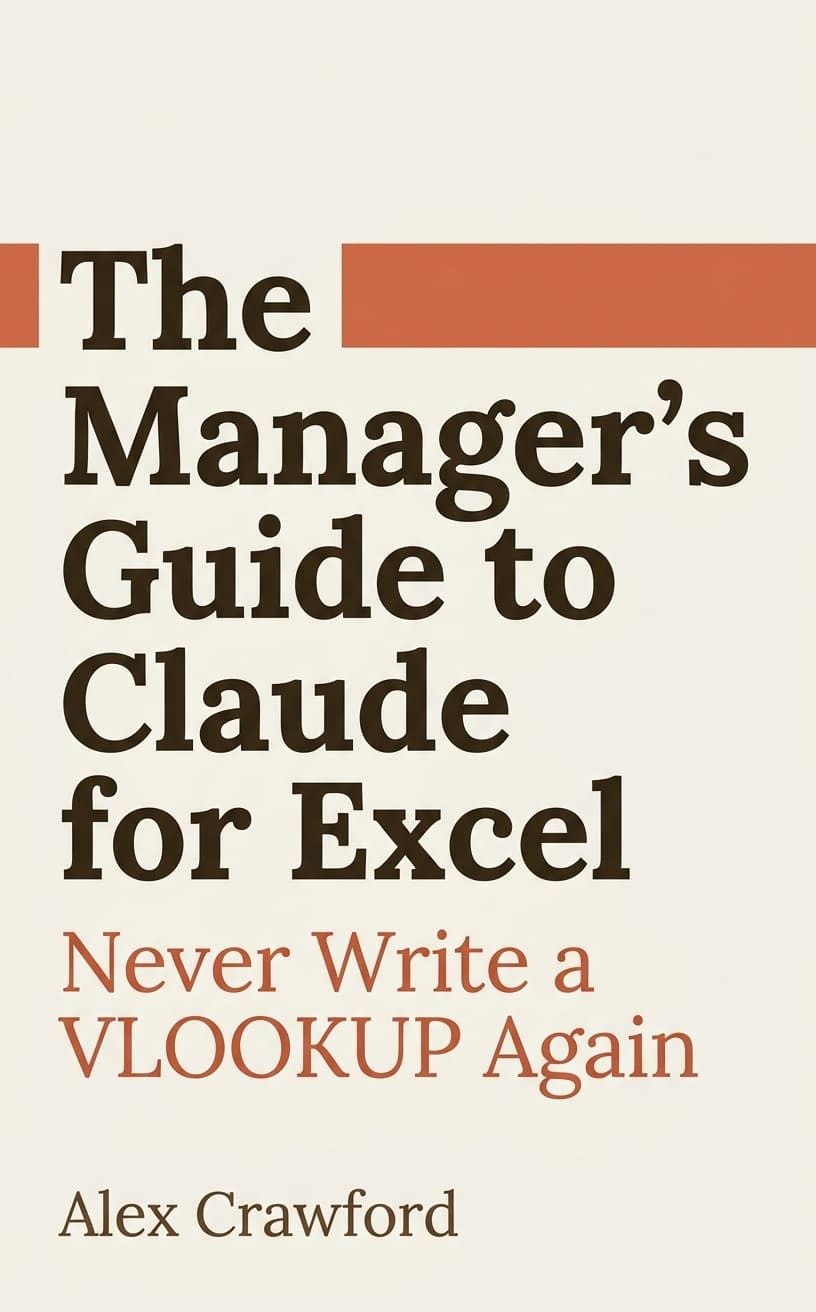
The Manager's Guide to Claude for Excel
Never Write a VLOOKUP Again

The 2026 FP&A Career Guide
Navigating Finance in the AI Era
Free practical reading
Start with a specific workflow
These articles turn the collection's core ideas into bounded tasks you can evaluate before buying a tool or changing a process.
How to Use AI for Budgeting and Financial Planning
AI can automate variance analysis, improve forecasts, and cut your month-end close time in half. Here's how FP&A teams are putting it to work — and where to start this week.
How to Run Variance Analysis in 30 Minutes with AI
Variance analysis is the most time-consuming part of financial reporting. AI can cut a full-day task to 30 minutes by automating the comparison, flagging material items, and drafting root cause narratives.
How to Automate Your Month-End Close with AI
Month-end close is the most predictable crunch in finance. AI can help you automate variance analysis, draft commentary, catch anomalies, and cut days off your close cycle.
AI-Assisted Forecasting: How to Augment Your Judgment Without Replacing It
AI is a powerful pattern spotter, but it can't replace the finance professional who knows why the patterns exist. Here's how to build a hybrid forecasting workflow.
Scenario Planning with AI: Run What-If Analysis Without 20 Spreadsheets
AI lets you generate best, worst, and base case scenarios, run sensitivity analysis, and build board-ready scenario summaries — without maintaining a dozen spreadsheet tabs.
How to Clean Messy Financial Data with AI
Before you can build forecasts and dashboards, you need clean data. Here's how to use AI to standardize, classify, and de-duplicate your financial records.
Common questions
Before you start
Can AI automate month-end close?
It can accelerate supporting work such as reconciliations, exception summaries, documentation, and management commentary. Posting, approvals, material judgments, and control evidence still require governed systems and accountable reviewers.
Is it safe to upload financial data to an AI tool?
Only when the tool, account, data-processing terms, retention settings, and company policy are approved for that data. Mask or aggregate information when the workflow does not require transaction-level detail.
Where should FP&A start?
Variance commentary and scenario narratives are useful starting points because the underlying model remains visible and the output can be compared directly with an existing process.